If you need a more comfortable sleep surface for long bed rest, the right topper can make a real difference. A quality gel pressure relief mattress overlay helps spread weight, reduce hot spots, and support fragile skin.
In this roundup, we focus on practical options for home care and clinical use, with choices for foam, gel, and alternating air designs.
Best 10 Gel Pressure Relief Mattress Overlay Picks for 2026
Premium Gel Foam Overlay

- 15 gel bladders cover the full contact area.
- Foam core with medium firmness.
- Fluid-resistant nylon top and waterproof vinyl bottom.
Best For: Adults needing a durable gel overlay for pressure ulcer prevention
Alternating Air Relief Pad

- 130 alternating air cells for pressure redistribution.
- Quiet 22 dBA pump with customizable pressure levels.
- Waterproof vinyl pad supports up to 300 lbs.
Best For: Bedridden users who need active air-based pressure relief
Head-to-Toe Gel Overlay

- Head-to-toe gel bladders help prevent bottoming out.
- Convoluted foam improves comfort and circulation.
- Elastic straps secure the overlay to the mattress.
Best For: Twin-bed users who want firm gel pressure relief with secure fit
Alternating Air with Static Mode

- Alternating and static modes for adjustable comfort.
- Quiet 23 dBA pump with quick connector.
- Waterproof pad supports up to 300 lbs.
Best For: Adults wanting an adjustable air topper for home or hospital use
3-Layer Gel-Foam Support

- 3-layer foam and gel design for pressure relief
- Leak-proof non-aqueous gel stays in place
- Fluid-resistant cover wipes clean easily
Best For: Hospital, rehab, or homecare users who need stable pressure redistribution
Air Cell Pressure Therapy
Vaunn Cloud Air Mattress Topper

- 130 alternating air cells help relieve pressure spots
- Whisper-quiet pump with adjustable settings
- Waterproof vinyl surface is easy to clean
Best For: Adults on extended bed rest who want adjustable air-based pressure relief
Extra-Wide Foam-Gel Overlay
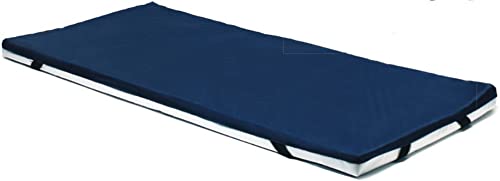
- 42-inch width fits larger medical mattresses
- 3-layer foam and gel design for pressure relief
- Fluid-resistant cover wipes clean easily
Best For: Anyone needing a wider hospital-bed pressure relief overlay
Alternating Air Relief
Lunderg PressuRelief Air Pressure Mattress Pad

- Comfort layer softens the feel of air therapy.
- Quiet 23 dBA pump with adjustable firmness.
- Static Mode adds a stable resting option.
Best For: Caregivers needing pressure relief with a softer, more comfortable top layer.
Gel Foam Overlay Support
Hospital Bed High Density Gel Foam Topper

- Gel and foam layers target pressure redistribution.
- 15 gel bladders help limit bottoming out.
- Corner straps and durable covers improve fit.
Best For: Hospital bed users who want a stable gel-foam pressure relief overlay.
Cooling Foam Comfort
3 Inch Gel Infused Twin Memory Foam Topper

- 3-inch memory foam balances softness and support.
- Cooling gel and ventilation help manage heat.
- Grip texture helps keep it in place on the bed.
Best For: Twin sleepers wanting a cooling foam topper with pressure relief.
Premium Gel Foam Overlay – Drive Medical Guard
If you want a gel pressure relief mattress overlay with a straightforward, medical-style design, this Drive Medical option focuses on full-contact support and easy upkeep. It uses 15 gel bladders across the patient contact area, a foam core, and a fluid-resistant nylon top with waterproof vinyl bottom for practical daily use.
Best For: Adults needing a medium-firm gel overlay for pressure ulcer prevention and treatment, especially in care settings where wipe-clean maintenance matters.
Pros:
- 15 gel bladders cover the full patient contact area.
- Foam construction with medium firmness for supportive feel.
- Waterproof vinyl bottom and fluid-resistant nylon top.
- Limited lifetime warranty adds long-term confidence.
Cons:
- Weighs 40.5 pounds, so it is not lightweight.
- Hand wash and wipe-down care only.
- Weight range and sizing should be checked carefully before purchase.
This is a solid pick when you want a traditional gel overlay built around pressure redistribution rather than air-powered features. It is best suited to users who prioritize durability, waterproof materials, and simple maintenance.
Alternating Air Relief Pad – Vive Whisper-Quiet
This gel pressure relief mattress overlay alternative uses alternating air cells rather than gel, so it is worth considering if you want active pressure redistribution. The Vive pad includes 130 air cells, a whisper-quiet pump, waterproof vinyl construction, and customizable pressure levels for bedridden patients.
Best For: Bedridden adults who need an air-powered topper to help manage bed sores, ulcers, and pressure spots.
Pros:
- 130 air cells alternate inflation and deflation for pressure relief.
- Very quiet pump rated at 22 dBA.
- Multiple pressure levels with six-minute cycles.
- Waterproof vinyl build and up to 300 lb capacity.
Cons:
- Requires a pump and power source to operate.
- Air-system setup is more involved than a basic overlay.
- Not a gel mattress overlay, so feel and support are different.
If active alternating pressure is more important than gel cushioning, this model offers a feature-rich setup for long-term use. It is especially practical when quiet operation and adjustable comfort are top priorities.
Head-to-Toe Gel Overlay – HEALTHLINE Wave Medical
For shoppers comparing a gel pressure relief mattress overlay with full-length support, this HEALTHLINE model emphasizes head-to-toe coverage and pressure redistribution. It combines gel bladders, convoluted foam, and elastic corner straps to help improve comfort, circulation, and stability on a twin mattress.
Best For: Adults needing a firm twin-size gel overlay with better air circulation and secure mattress attachment.
Pros:
- Head-to-toe gel bladders help reduce bottoming out and pitting.
- Upgraded 300 lb weight capacity.
- Convoluted foam topper improves comfort and air circulation.
- Elastic corner straps help keep the overlay in place.
Cons:
- Twin size only, so fit is limited.
- At 18 pounds, it is still a substantial overlay.
- Firm feel may not suit users who prefer a softer surface.
This is a strong choice if you want a more structured gel overlay with added foam comfort and secure placement. It makes the most sense for users who need pressure relief plus improved airflow in a standard twin-size setup.
Alternating Air with Static Mode – Lunderg Quiet Pad
This gel pressure relief mattress overlay option is actually an alternating air pad, but it is a practical pick if you want adjustable pressure management for home or hospital use. Lunderg includes static mode, a quiet pump, waterproof construction, and a quick connector for easier setup.
Best For: Adults who need an adjustable air mattress topper with both alternating and static comfort modes.
Pros:
- Alternating and static modes add flexibility.
- Quiet pump runs at 23 dBA.
- Supports up to 300 lbs and is waterproof.
- Quick connector and clear setup steps simplify installation.
Cons:
- Requires inflation time before use.
- Not a gel overlay, so the feel is different from gel cushions.
- Best performance depends on correct pressure adjustment.
Lunderg is a good fit when you need more control than a fixed overlay can provide. The static mode is especially useful for users who want a stable surface between alternating cycles or during longer rest periods.
3-Layer Gel-Foam Support – Lumex Hospital Bed Overlay
If you want a gel pressure relief mattress overlay that feels more structured than a basic foam pad, this Lumex model is built around a 3-layer design. The convoluted foam top, visco-elastic gel core, and high-density foam base work together to spread weight, reduce soreness, and add stability for home or clinical use.
Best For: Patients who need pressure redistribution on hospital beds, rehab beds, or in-home care setups.
Pros:
- 3-layer construction combines foam comfort, gel pressure relief, and a supportive base.
- Gel core helps disperse pressure at hips, heels, and shoulders.
- Leak-proof, non-aqueous gel is designed to stay in place without pooling or migration.
- Fluid-resistant cover wipes clean easily for long-term use.
Cons:
- Made for medical-style beds, so it may not suit every standard home mattress.
- Heavier than a simple foam topper at 16.5 pounds.
This is a practical choice if you want a more stable pressure-relief overlay than an air topper and prefer a low-maintenance surface. Its focus is consistent support rather than adjustable firmness.
Air Cell Pressure Therapy – Vaunn Cloud Air Mattress Topper
This gel pressure relief mattress overlay alternative uses alternating air instead of foam or gel to reduce pressure spots and improve circulation. The Vaunn Cloud Air topper combines 130 pre-programmed air cells with a whisper-quiet pump, making it a strong option for extended bed rest and pressure ulcer prevention.
Best For: Adults who need adjustable pressure relief, circulation support, and a cooler sleep surface.
Pros:
- Alternating air cell design helps distribute weight and relieve pressure spots.
- 130 air cells use wave-like therapy to support circulation and comfort.
- Whisper-quiet pump includes adjustable pressure settings for custom firmness.
- Waterproof medical-grade vinyl construction is easy to clean.
Cons:
- Requires a pump and power source to operate.
- Vinyl feel may be less plush than foam or gel overlays.
- Designed for standard U.S. 110V outlets only.
This topper is best if you want active pressure management rather than a passive overlay. It adds adjustability and airflow, but it does come with more setup and equipment than a simple foam-gel product.
Extra-Wide Foam-Gel Overlay – Lumex 42-Inch Hospital Topper
If you need a wider gel pressure relief mattress overlay for a larger medical bed, this Lumex version uses the same 3-layer foam-and-gel construction in a 42-inch width. It is designed to redistribute pressure, add stability, and support comfort in hospital, rehab, or homecare settings.
Best For: Users who need a wider mattress overlay with the same pressure-relieving foam and gel design.
Pros:
- 3-layer build includes convoluted foam, visco-elastic gel, and a high-density foam base.
- Wider 42-inch size suits larger medical mattresses.
- Leak-proof, non-aqueous gel is designed for consistent performance.
- Fluid-resistant cover wipes clean easily for simple maintenance.
Cons:
- Heavier at 21.8 pounds, so it may be less convenient to move.
- Best suited to hospital-style beds rather than everyday mattresses.
This model is a good fit when size matters and you want the same supportive pressure management as the smaller Lumex overlay. It stays focused on stability and durability rather than adjustable feel.
Alternating Air Relief – Lunderg PressuRelief Air Pressure Mattress Pad
This gel pressure relief mattress overlay isn’t gel-based, but it is built for pressure sore prevention with alternating air therapy and a Snap-2-Pad comfort layer that makes the surface feel more familiar and less clinical. It’s a practical option when you need medical-style pressure relief without sacrificing sleep comfort.
Best For: Caregivers and adults who need alternating pressure therapy with a softer top layer for longer-term use.
Pros:
- Includes a comfort layer to make alternating therapy feel softer and easier to sleep on.
- Quiet 23 dBA pump helps keep nighttime disruption low.
- Static Mode lets the cells stay fully inflated for a more stable resting surface.
- Designed for bed sore prevention and supports up to 300 lbs.
Cons:
- Requires setup time and inflation before first use.
- Best suited to users who want air therapy, not a traditional foam or gel topper.
Overall, this is a strong pick if your priority is advanced pressure redistribution with extra comfort built in. The added layer and static option make it more versatile than a basic alternating pad.
Gel Foam Overlay Support – Hospital Bed High Density Gel Foam Topper
This gel pressure relief mattress overlay uses gel-infused foam rather than air, making it a straightforward choice for pressure redistribution on a hospital bed. The layered foam build and gel bladders are aimed at comfort, support, and reducing bottoming out for users who need a more stable surface.
Best For: Hospital bed users who want a gel-foam overlay with a supportive, layered feel.
Pros:
- Gel and foam construction is designed to help treat and prevent bed sores and ulcers.
- 15 horizontal gel bladders help reduce migration and bottoming out.
- Fluid-resistant nylon top cover and vinyl bottom cover add durability.
- Elastic corner straps help secure the topper in place.
Cons:
- Spot clean only, so maintenance is more limited than washable options.
- At 3.5 inches thick, it may feel substantial on the bed.
If you want a more traditional gel foam solution, this topper offers a solid balance of support and cushioning. It’s especially appealing for users who need a dependable overlay with secure fit features.
Cooling Foam Comfort – 3 Inch Gel Infused Twin Memory Foam Topper
This gel pressure relief mattress overlay is best for buyers who want a simple foam topper with cooling features and a plush, balanced feel. The 3-inch memory foam design aims to soften a firm mattress while supporting alignment, making it a practical everyday upgrade for sleep comfort.
Best For: Twin bed sleepers who want cooling memory foam with moderate pressure relief.
Pros:
- 3 inches of memory foam provides a plush but supportive feel.
- Cooling gel and ventilated open-cell design help reduce heat buildup.
- Grip texture helps the topper stay in place and work with adjustable beds.
- CertiPUR-US and OEKO-TEX certifications add reassurance for material safety.
Cons:
- It is a general mattress topper, not a medical pressure sore treatment product.
- Needs 24–48 hours to fully expand after unboxing.
This is a good fit if you want comfort-first pressure relief with cooling features instead of a specialized medical overlay. It’s a versatile choice for everyday sleep improvement on a twin mattress.
How We Picked These Gel Pressure Relief Mattress Overlay Options
We focused on overlays that address the main comfort and care needs buyers actually face: pressure redistribution, temperature management, ease of setup, and compatibility with hospital-style or home beds. We also considered material quality, intended use, and whether the design is better suited for mild comfort improvement or more serious bed sore prevention support.
Quick Comparison
Foam and gel overlays are usually simpler, quieter, and easier to maintain. Alternating air models add active pressure cycling, which can be a better fit for users who spend most of the day in bed or need more advanced pressure relief. If you want a softer sleep feel and less motion, foam or gel may be the better starting point. If you need more therapeutic support, air systems deserve a closer look.
Key Buying Factors for a Gel Pressure Relief Mattress Overlay
Pressure Redistribution
The main goal is to reduce concentrated pressure on vulnerable areas such as the hips, shoulders, and heels. Look for designs that match the user’s body weight and the amount of time spent in bed.
Cooling and Comfort
Gel-infused foam can help with heat buildup, while ventilated constructions and breathable covers can improve all-night comfort. If overheating is a concern, prioritize airflow and cooling materials.
Size and Fit
Measure the mattress or hospital bed carefully. An overlay that is too small may shift, while one that is too large can bunch up or interfere with bed rails and positioning.
Noise, Pump, and Maintenance
Alternating air systems often provide the strongest pressure relief, but pump noise and upkeep matter. Quiet pumps, static mode, and waterproof toppers can improve day-to-day usability.
Care Setting
Some products are ideal for home recovery and occasional use, while others are designed for long-term care, wound prevention, or clinical environments. Match the product to the level of support needed.
Who Should Buy Which Gel Pressure Relief Mattress Overlay?
Choose a gel or foam overlay if you want a quieter, simpler comfort upgrade with less maintenance. Choose an alternating air model if you or your loved one needs more active pressure relief and spends extended periods in bed. For hospital beds or narrow medical frames, verify dimensions first and confirm the overlay is compatible with the mattress depth and overall setup.
The best Gel Pressure Relief Mattress Overlay is the one that fits the user’s care needs, bed size, and comfort preferences without adding unnecessary complexity.