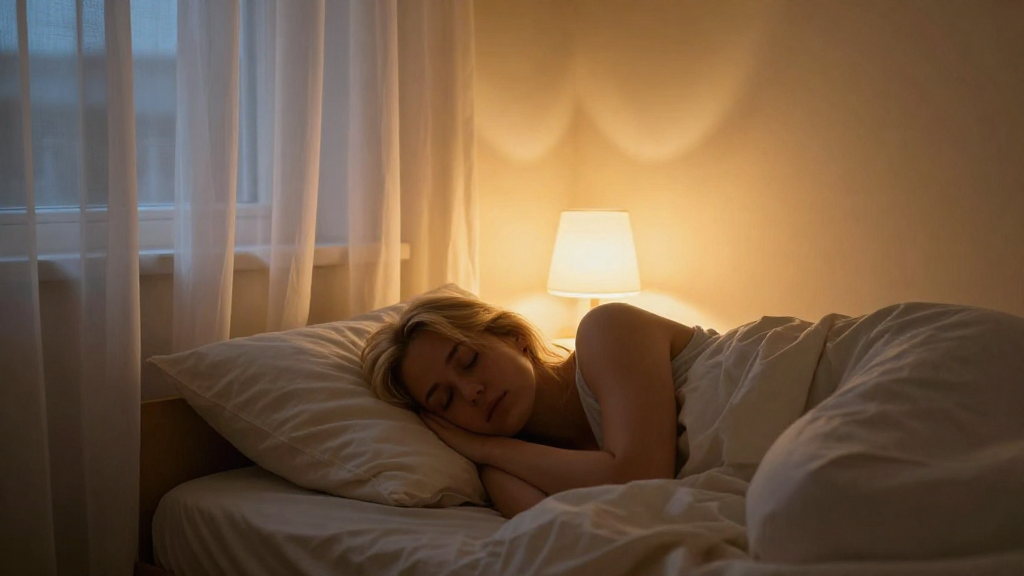
Understanding how does light exposure affect sleep is crucial for anyone looking to improve their sleep quality and overall health.
Light plays a significant role in regulating our circadian rhythms, influencing when we feel awake and when we feel sleepy. But how does light impact our sleep patterns, and what can we do to manage its effects? Let’s explore the intricate relationship between light exposure and sleep.
What Is the Role of Circadian Rhythms?
Circadian rhythms are 24-hour cycles in our biological systems, responding primarily to light and darkness in the environment.
They help determine sleep patterns, feeding habits, hormone production, and other bodily functions.
-
Biological Clock: Our internal clock is influenced heavily by exposure to light and darkness.
-
Melatonin Production: This hormone, which facilitates sleep, increases in the evening as darkness falls and decreases during daylight.
Light exposure can disrupt this process, leading to altered sleeping patterns.
How Does Light Exposure Affect Sleep at Night?
Exposure to light during the evening can significantly affect our sleep quality.
Artificial light sources—such as phones, computers, and TVs—emit blue light, which is particularly harmful to sleep.
When we are exposed to such light:
-
Melatonin Suppression: The production of melatonin can be reduced, making it harder to fall asleep.
-
Delayed Sleep Onset: People may find it takes longer to drift off to sleep.
-
Fragmented Sleep: Even after falling asleep, sleep may be less restful or filled with more awakenings.
Getting excessive exposure to light in the evening is a common problem in modern society, leading to sleep disturbances and other health issues.
How Does Light Exposure Affect Sleep During the Day?
Light exposure during the day has opposite effects on our sleep patterns.
Daytime exposure to natural light is essential in regulating our sleep-wake cycle, enabling:
-
Improved Alertness: Natural light helps increase alertness and concentration during the day.
-
Enhanced Mood: Bright light exposure can positively influence mood and reduce feelings of depression.
-
Better Sleep Quality: Appropriate light exposure during the day helps ensure you will sleep better at night.
Studies show that individuals who engage in regular exposure to sunlight tend to experience better sleep outcomes.
What Are the Effects of Blue Light?
Understanding how does light exposure affect sleep also requires looking at blue light specifically.
Blue light, emitted from devices like smartphones and laptops, can have unique effects on our sleep:
-
Increased Alertness: Blue wavelengths stimulate wakefulness, making you feel more alert and active when you should be winding down.
-
Reduced Sleep Hormones: It inhibits melatonin production even more effectively than other light colors.
-
Extended Wakefulness: Those exposed to blue light at night tend to stay awake longer, which disrupts their natural sleep cycles.
To enhance sleep, consider reducing blue light exposure in the evening by:
-
Using blue light filters on devices.
-
Wearing special glasses that block blue light.
-
Limiting screen time before bedtime.
How Can You Optimize Light Exposure for Better Sleep?
Taking control of your light exposure can substantially improve your sleep patterns. Here are some practical tips:
Create a Bedtime Routine
-
Dim the Lights: Lower lighting levels in your home as bedtime approaches to signal to your body that it’s time to wind down.
-
Limit Screen Time: Aim to avoid screens at least an hour before bed to minimize blue light exposure.
Use Natural Light to Your Advantage
-
Get Morning Sunlight: Spend some time outdoors in the morning. This helps reset your internal clock and boosts your mood.
-
Open Curtains: Allow natural light to enter your home during the day to encourage alertness.
Install Smart Lighting
Using smart bulbs that adjust their color temperature throughout the day can help:
-
Warmer Tones at Night: Set your lights to a warmer, softer tone in the evening to mimic natural sunset light.
-
Bright, Cool Light During Daytime: Use bright, cooler light during the day to enhance alertness and concentration.
How Does the Environment Influence Light Exposure?
The environment in which you sleep plays a critical role in how light affects your night rest.
Dark Room for Sleep
-
Blackout Curtains: Install blackout curtains to eliminate nighttime light exposure, especially from streetlights or electronic devices.
-
Cover All Light Sources: Use covers for electronic devices like TVs or alarms, which often emit unwanted light.
Consider Natural Elements
-
Natural Sleep Aids: Utilize natural elements like plants that can enhance mood and air quality without significant light exposure.
-
Calming Colors: Use softer colors in your bedroom decor to create a calming atmosphere conducive to rest.
Conclusion: How Does Light Exposure Affect Sleep?
In summary, how does light exposure affect sleep is a vital topic that underscores the importance of managing our light intake throughout the day.
By understanding the relationship between light exposure and sleep, we can make informed decisions that will help us maintain healthy sleep patterns.
Emphasizing bright light during the day and minimizing exposure during the night is key to unlocking the restorative power of sleep.
By adopting simple, effective strategies to manage light exposure, a better night’s sleep is within reach!
Awareness and intentional action can make a world of difference in achieving restful, rejuvenating sleep.