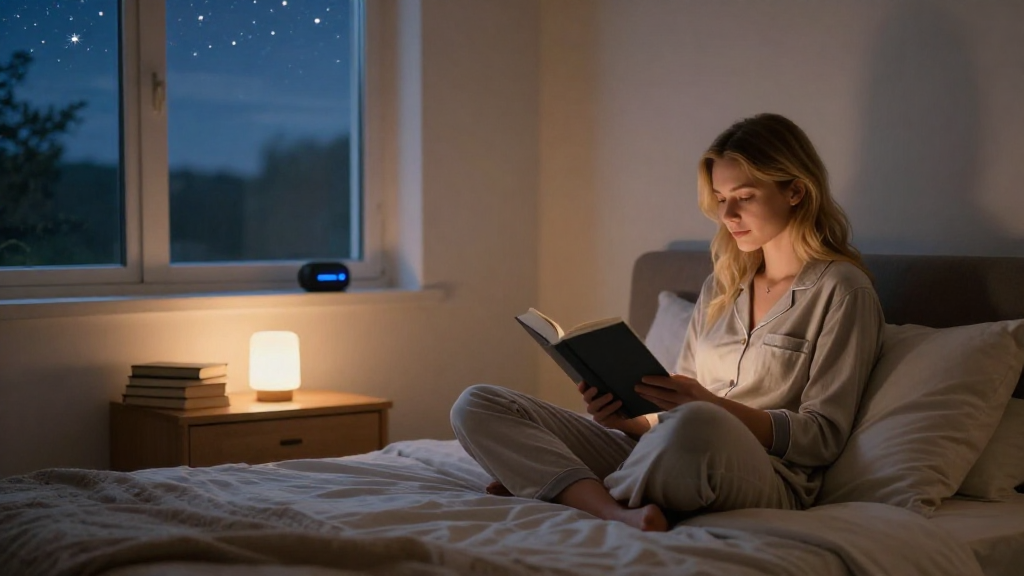
In today’s digital age, understanding how to avoid blue light before bed is essential for ensuring a good night’s sleep. As we dive into the various strategies and methods to reduce blue light exposure, it’s crucial to comprehend why it matters and how we can effectively implement these changes in our daily lives.
What Is Blue Light?
Blue light is a high-energy visible light that is emitted from various sources.
Common sources of blue light include:
– Smartphones
– Tablets
– Computer screens
– LED lighting
While blue light can be beneficial during the day by boosting alertness and cognitive function, excessive exposure, especially in the evening, can disrupt our circadian rhythms.
Why Should You Avoid Blue Light at Night?
Understanding how to avoid blue light before bed begins with recognizing its impact on sleep quality and overall health.
Studies have shown that:
– Blue light can inhibit the production of melatonin, the hormone responsible for regulating sleep.
– Exposure to blue light before bedtime can lead to difficulty falling asleep, reduced REM sleep, and increased fatigue during the day.
– Chronic blue light exposure may contribute to long-term health issues, including eye strain and insomnia.
Given these concerns, it becomes vital to develop effective strategies to limit blue light exposure in the evening.
How Can I Avoid Blue Light Before Bed?
Here are several practical tips on how to avoid blue light before bed and improve your sleep environment.
1. Limit Screen Time Before Sleep
One of the easiest ways to avoid blue light is to limit your use of devices before bedtime.
Consider the following strategies:
– Set a digital curfew at least 1-2 hours before bed and stick to it.
– Instead of scrolling through your phone, opt for relaxing activities such as reading a book or taking a warm bath.
– If work requires late-night screen time, consider using apps or software tools that reduce blue light, such as f.lux or Night Shift mode on devices.
2. Use Blue Light Filters and Glasses
There are various ways to mitigate blue light exposure from screens.
Consider using:
– Blue light blocking glasses, which can be worn when using screens in the evening.
– Screen filters or overlays that are designed to reduce blue light emissions by changing the display’s color temperature.
– Built-in features on devices that allow for warmer screen tones during the evening.
3. Adjust Your Lighting
Lighting plays a crucial role in your sleep environment.
To minimize blue light exposure at home:
– Utilize soft, warm-colored light bulbs instead of bright white or fluorescent lights.
– Switch to amber or red lights in the evenings, which are less disruptive to melatonin production.
– Consider using dimmable lights to adjust brightness levels as the evening progresses.
4. Create a Sleep-Conducive Environment
It’s important to ensure your sleep space is as conducive to rest as possible.
Here are some tips to enhance your bedroom environment:
– Keep your bedroom dark by using blackout curtains or blinds.
– Eliminate any sources of artificial light, such as night-lights or alarm clocks, that could interfere with your sleep.
– Keep the room cool and comfortable, using soft bedding that promotes relaxation.
5. Practice Relaxation Techniques
Incorporating relaxation techniques into your bedtime routine can help cue your body for sleep.
Consider integrating the following practices:
– Meditation or deep breathing: Techniques like mindfulness meditation can help calm your mind and reduce stress levels.
– Gentle yoga or stretching: Performing gentle stretches can relax your muscles and prepare your body for sleep.
– Listening to soothing music or nature sounds: Calming audio can create a peaceful environment, allowing you to drift into sleep more easily.
6. Maintain a Consistent Sleep Schedule
Your body thrives on routine, so keeping a regular sleep schedule is crucial for preventing sleep disruption.
Try these steps:
– Aim to go to bed and wake up at the same time each day, even on weekends.
– If you need to adjust your bedtime, do so gradually, shifting by 15-30 minutes at a time.
– Listen to your body’s signals, and if you feel tired, prioritize rest.
What Should I Do If I Wake Up at Night?
Sometimes, despite your best efforts to avoid blue light before bed, you may find yourself awake during the night.
In such cases:
Here are a few strategies:
– Avoid checking your phone or devices: The glow from these screens can further disrupt your sleep cycle.
– Practice calming techniques: Try deep breathing or visualization exercises to ease your mind and promote relaxation.
– Get out of bed if necessary: If you cannot fall back asleep within 20 minutes, consider getting up and doing a quiet, non-stimulating activity until you feel sleepy.
Conclusion: Why It Matters to Avoid Blue Light
Incorporating strategies on how to avoid blue light before bed can significantly improve the quality of your sleep and your overall well-being.
By implementing these habits, you can create a healthier sleep environment that fosters restfulness and supports your mental health.
Bear in mind that small changes can lead to substantial benefits over time.
Whether it’s opting for blue light blocking glasses, adjusting your lighting, or practicing relaxation, every effort counts.
So take control of your sleep patterns and make the commitment to prioritize restful nights free from the disruptive effects of blue light.